Mendez & Son's Construction Inc
DESIGN-BUILD VS. TRADITIONAL: WHY IT MATTERS FOR YOUR PROJECT
When you hire a contractor to remodel your kitchen or build an ADU, you’re also choosing a project delivery method — whether you realize it or not. That choice affects your budget, your timeline, your stress level, and what happens when something goes wrong.
Here’s what each approach actually looks like, and why we work the way we do.

WHAT TRADITIONAL DESIGN-BID-BUILD LOOKS LIKE
The traditional approach has three distinct phases handled by separate parties.
Design phase. You hire an architect or designer. They produce drawings and specifications — permit-ready documents that describe what gets built. You pay the architect directly, usually on an hourly or percentage-of-project basis. The architect’s job ends when the drawings are done.
Bid phase. You take those drawings to multiple contractors and collect bids. Contractors price the work based on the plans. You select a contractor — usually the lowest bidder or the one that feels right after interviews.
Build phase. The contractor builds what the architect drew. If the drawings have issues — details that are ambiguous, specifications that are impractical, dimensions that don’t account for real field conditions — the contractor and architect negotiate. Sometimes those negotiations go smoothly. Sometimes they don’t.
On paper, this process is logical. You get independent design expertise, competitive pricing, and checks and balances. In practice, it introduces a structural problem: the two parties most responsible for your project have separate contracts, separate interests, and no shared accountability for the outcome.
WHERE THE FRICTION SHOWS UP
- The architect defends the drawing rather than acknowledge that field conditions require a different approach
- The contractor pushes for the lowest-cost interpretation of ambiguous specs
- The homeowner sits between them, asked to make decisions about technical questions they don’t have the background to evaluate
- Change orders multiply as gaps between design and construction surface mid-build
- Timeline extensions stack up while the two parties negotiate resolutions
WHAT DESIGN-BUILD LOOKS LIKE
Design-build puts design and construction under one contract, one team, and one point of accountability. The same company that produces your drawings is the company that builds from them. The designer and the builder are the same organization — working as an integrated team from the start, with shared responsibility for the outcome.
For Bay Area ADU construction and kitchen remodeling projects, this approach eliminates the gaps that cause most project headaches before they happen.
Drawings by Builders
A designer who has never framed a wall or coordinated a concrete pour produces drawings that create field problems. Design-build drawings are informed by how things actually get built.
Budget Integrated from Start
Cost gets evaluated continuously during design. When a decision has a significant cost implication, it gets surfaced immediately — not six weeks after drawings are complete.
One Point of Contact
You’re not managing a relationship between your architect and your contractor. One team, one schedule, one person to call with questions.
Accountability Doesn’t Split
If something isn’t right, the question of whose fault it is — design or execution — is irrelevant. We own both. We fix it.
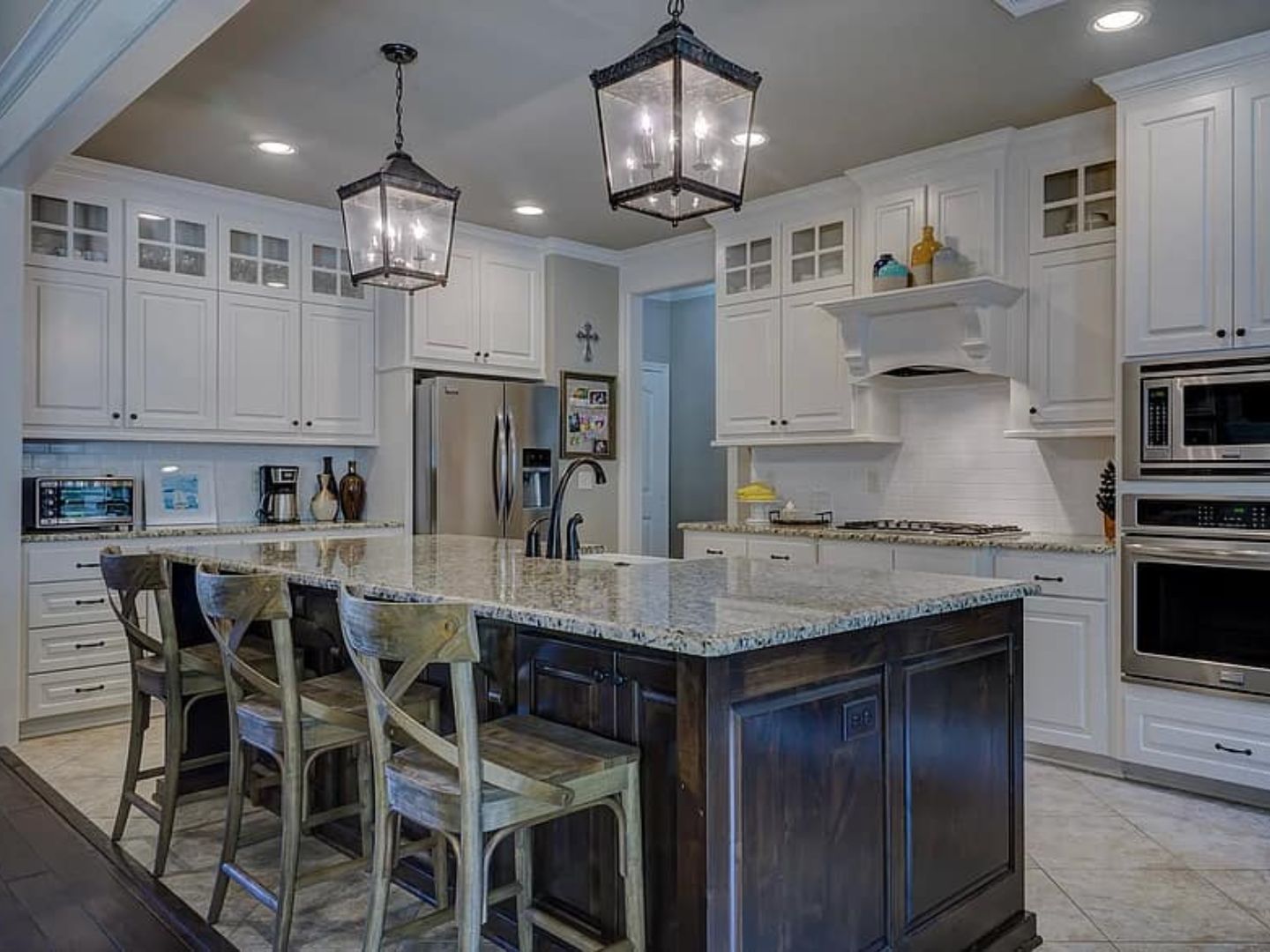
Design-build isn’t a marketing position. It’s a structural decision about how projects are delivered and who’s accountable. Learn about our team
THE COMMON OBJECTION:
COMPETITIVE BIDDING
The most frequent pushback on design-build is that you lose the protection of competitive bidding. In design-bid-build, multiple contractors bid the same drawings and you can compare prices. In design-build, you’re working with one firm.
This is a real consideration. Here’s the honest answer.
Competitive bidding on identical drawings produces price transparency in theory. In practice, it produces bids that aren’t as comparable as they look. Contractors scope jobs differently. One bid includes allowances that another prices explicitly. One assumes certain site conditions that another prices as contingencies. One has the crew to hit your timeline; another will start your project when their current job finishes.
“The lowest bid on a set of drawings is rarely the lowest cost at project completion.”
— Mendez & Son’s Construction
What actually protects you in design-build is a detailed, itemized proposal that shows you exactly what you’re paying for — broken down by phase, by line item, by scope of work. That transparency is more useful than three bids from contractors who may or may not have priced the same thing.
That’s what we produce before any contract is signed.
HOW IT WORKS IN PRACTICE
Here’s what the design-build process actually looks like when you work with us on an ADU or remodel project.
Site Assessment
We walk the property, assess existing conditions, understand your goals, and give you an honest picture of what the project involves before design begins.
No commitment requiredDesign & Planning
Permit-ready architectural drawings, structural engineering, and Title 24 energy calculations. You know what things cost as we design them — not after.
Real-time cost contextPermit & Construction
We handle the full permit process and coordinate all trades. Progress is tracked through your Buildertrend client portal.
One team, one scheduleInspections & Completion
We schedule and manage all city inspections. When the final inspection passes and the certificate of occupancy is issued, we do a final walkthrough together.
Certificate of occupancy
THE BUILDERTREND PIECE
Homeowners ask: how do you actually know what’s happening on your project? The honest answer on traditional projects is often — you don’t. You get updates when you ask for them and photos when the contractor remembers to send them.
We run every project through Buildertrend, a construction management platform built specifically for residential projects. You’re spending a significant amount of money on a project that affects your home. Knowing what’s happening in real time is a reasonable expectation.
Access Client Portal- ✓Live schedule with current status and upcoming milestones — see what’s happening today and what’s coming next
- ✓Photo documentation throughout construction — framing, rough-ins, inspections, progress at every stage
- ✓Document access in one place — permits, inspection reports, warranties, specifications
- ✓Selections tracking — every material and finish decision documented with order status
- ✓Direct communication through the platform — a record of every conversation, nothing lost in a text thread
SEE HOW
WE WORK
Evaluating contractors for an ADU or remodel project? The best first step is a conversation and a site visit. We’ll walk through the project, explain how we’d approach it, and give you a detailed proposal before you make any commitment.
One team · One schedule · One number
Serving Palo Alto · Mountain View · San Mateo
Walnut Creek · Redwood City · Bay Area