Mendez & Son's Construction Inc
CALIFORNIA ADU AMNESTY LAW: HOW TO LEGALIZE AN UNPERMITTED STRUCTURE
If you have a structure on your property that was built without permits — a backyard cottage, a converted garage, a finished basement with a kitchen — California law now gives you a clear path to make it legal. This isn’t a loophole. It’s state policy. And if your structure qualifies, going through the process is almost always worth it.
WHY UNPERMITTED STRUCTURES EXIST
Unpermitted construction happens for a lot of reasons. Some homeowners added a unit decades ago when local enforcement was less active. Others inherited a property and had no idea what was built legally and what wasn’t. Some structures went up during financial hardship when pulling permits felt like an unaffordable step.
Whatever the reason, the problem is the same: an unpermitted structure can’t be legally rented, creates liability exposure, complicates a sale, and can’t be insured as a living space.
For years, the only option was to either tear it down or do a full retroactive permit process — which could be expensive, slow, and uncertain. That changed.
What California’s ADU Amnesty Law Does
California’s amnesty provisions, reinforced and expanded under recent ADU legislation, allow homeowners to bring unpermitted dwelling units into legal compliance through a streamlined permit process — rather than being forced to demolish or remain in violation.
The core provision targets structures built before January 1, 2020. If your unit was in place before that date and meets the basic habitability and safety requirements, you have a path to legalization.
WHO QUALIFIES
The amnesty pathway applies broadly, but there are conditions. Your structure is most likely to qualify if it meets the following criteria:
- ✓Built before January 1, 2020. This is the primary threshold. Structures built after this date go through standard permitting.
- ✓Functions as a dwelling unit. Sleeping space, a bathroom, and some form of cooking or kitchen capability. Storage buildings and workshops are a different conversation.
- ✓Can be brought into compliance. The city will work with you toward compliance — but major structural issues, substandard electrical, or inadequate plumbing need to be addressed.
- ✓Sits on a qualifying property. Single-family and eligible multi-family properties are covered. Some property type limitations apply.
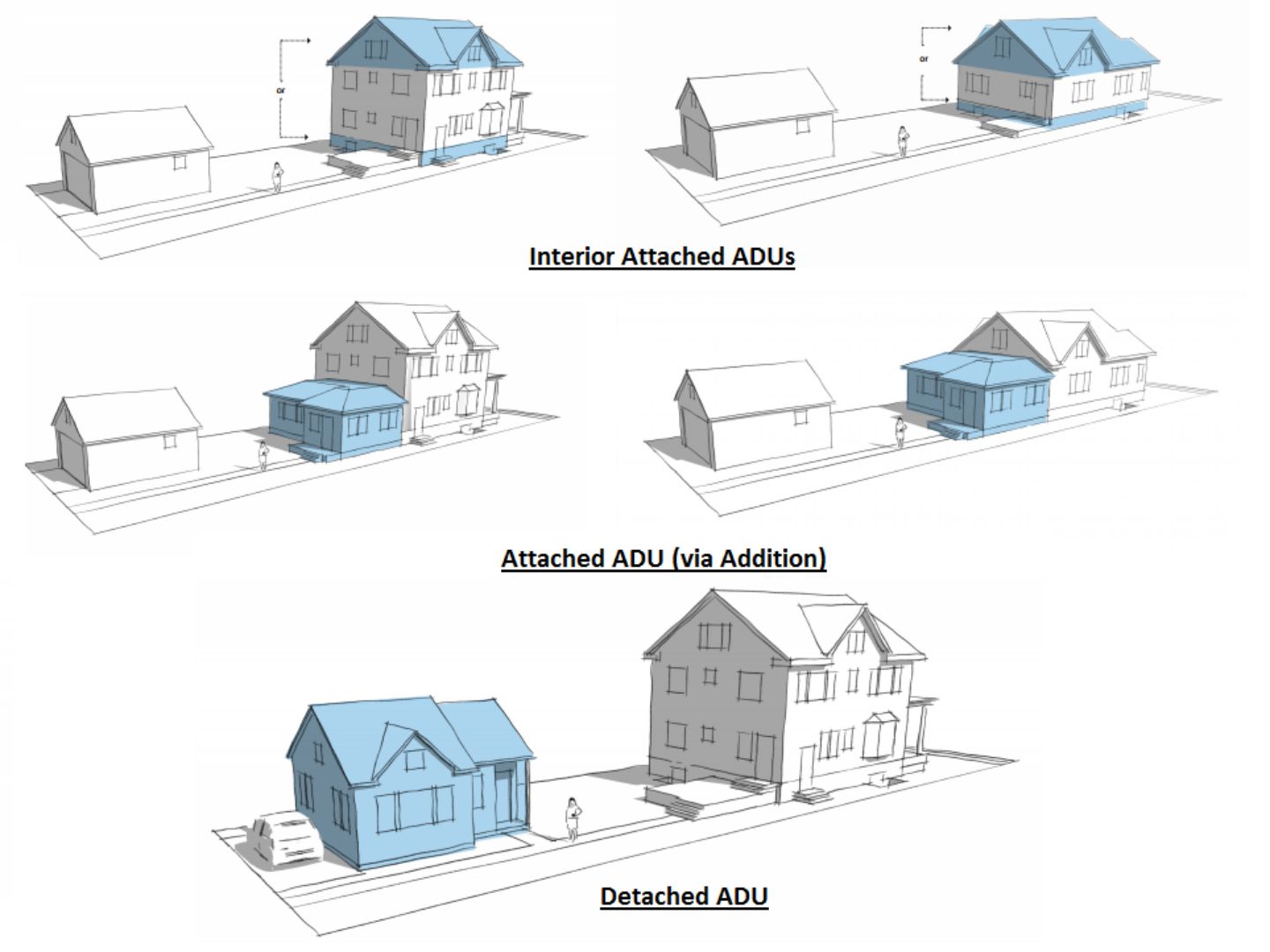
If you inherited or bought a property with a converted garage or backyard structure already in place — this program was essentially written for you.
THE LEGALIZATION PROCESS
Site Assessment
We walk the property and document the existing structure — dimensions, materials, mechanical systems, access, setbacks. This establishes what you have and what needs to change.
As-Built Drawings
Permit-ready drawings are produced showing the structure as it currently exists. This is different from new construction drawings — we’re documenting what’s there, not designing something new.
Code Gap Analysis
Drawings are reviewed against current building code to identify what needs upgrading — electrical, plumbing, insulation, Title 24 energy requirements, egress windows, smoke and CO detectors.
Permit Application
The application goes to the city with as-built drawings and a remediation plan. Under amnesty provisions, the city is directed to work toward approval — not just find reasons to deny.
ADU permitting detailsRemediation & Inspections
Whatever code upgrades are required get completed. The city inspects the work at the relevant stages. Once everything passes, the structure gets a certificate of compliance.
Legal Status
Your unit is now a permitted ADU. It can be legally rented. It shows up correctly in property records. It’s insurable as a dwelling. And it no longer creates liability exposure for you as the owner.
WHAT IT ACTUALLY COSTS
The cost to legalize an unpermitted unit varies based on the size of the structure, how far it is from current code, and which city you’re in. A structure that’s close to code compliance costs considerably less than one with major system deficiencies.
We give you a clear estimate before anything gets submitted so there are no surprises mid-process. Financing is available for the legalization work — if the cost of bringing a unit into compliance is the barrier, that’s a conversation worth having.
Why Legalize Instead of Leaving It
An Unpermitted Unit Left in Place
- Cannot be legally rented. If you’re collecting rent on an unpermitted unit, you have exposure. Tenant disputes, injury claims, and city enforcement all become much more serious.
- Complicates your sale. Buyers and their agents find these in inspections. You’ll either disclose it, reduce your price, or deal with it during escrow — usually under worse conditions.
- Doesn’t add assessed value. A permitted ADU adds a legal second unit to your property record. An unpermitted one exists in a gray zone that works against you.
- Creates insurance gaps. Most homeowner policies don’t cover a dwelling unit that isn’t permitted. If something happens in that space, you may be uninsured.
The amnesty window is not permanent. The path that exists now is more accessible than anything that came before it.
THE INHERITED
PROPERTY SITUATION
This comes up often. If you inherited a property — or bought one — with an existing structure that someone else built, you didn’t create the problem. But it’s still your problem now.
The amnesty process applies regardless of who built the structure. What matters is whether it qualifies and whether you want to move toward compliance.
Some inherited property owners legalize and rent the unit. Others legalize and sell — and the permitted ADU adds real value to the sale price. Some just want to remove the liability. All of those are valid reasons to move forward.
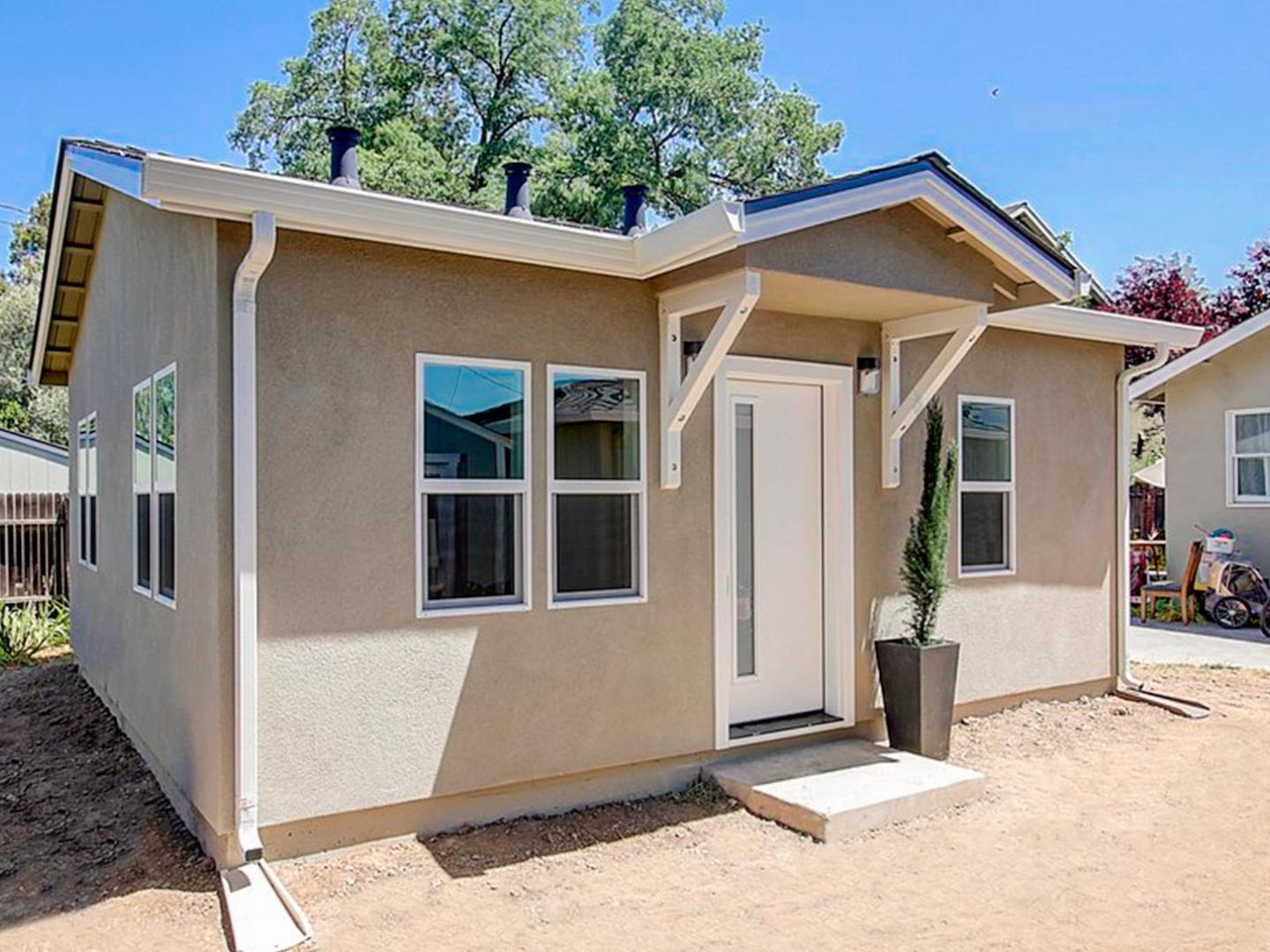
“If you have a structure you’re not sure about, the first step is figuring out where you stand. We do site assessments for exactly this purpose.”
— Mendez & Son’s Construction
LEGALIZE YOUR
UNPERMITTED ADU
Not sure if your structure qualifies for California’s amnesty program? We’ll assess the property, identify what you have, and tell you clearly whether the amnesty path applies and what it would take.
Site assessment · Code gap analysis · Clear estimate
Serving Palo Alto · Mountain View · San Mateo
Walnut Creek · Redwood City · Bay Area